(And Why “Timeless” Might Not Mean What You Think)
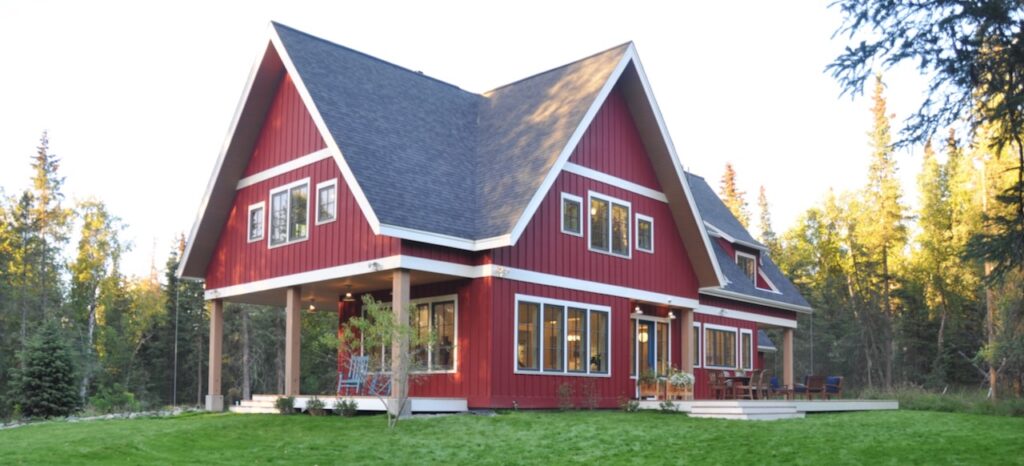
One of the most common things clients ask me for is a “timeless” home.
It sounds great in theory. Who wouldn’t want to avoid trendy choices and love their home for years to come? But here’s the truth: it’s nearly impossible to design a truly timeless new home. Even the classics shift with context. That said, you can design a home that ages well, one that still feels fresh and cohesive 10, 15, even 20 years later.
I’d like to think that my own house meets the criteria. Visitors often ask how old my home is, wondering whether it is brand new or has been there for decades.
I designed the interior of my own home over 14 years ago, and there’s very little I’d change. Maybe another wood stove or two. A couple layout tweaks. But the hard finishes like tile, flooring, cabinetry, and windows still hold up beautifully. They look intentional because they were.
The Real Shortcut to a “Timeless” Home?
installing quality finish selections that align with your home’s architectural style.
That’s it.
(Okay, there’s a little more…)
Start Here: What Style Is Your House?
While there are dozens of nuanced architectural styles like Craftsman, Mid-Century, Farmhouse, or Scandinavian, they generally fall into two broad categories:
🧱 Traditional
🏗 Modern
If you’re not working with an architect or designer, use this simple trick to figure out which direction to go:
What does your roof look like?
- Gable or hip roof? You’re in traditional territory
- Flat or single-pitch roof? Likely modern
Of course, there are hybrids and outliers. But when it comes to selecting finishes, using the roofline as your north star will help guide you toward choices that align with the architecture. That alignment is what makes a home feel cohesive and lasting.
What to Consider: Traditional vs. Modern
Here’s a quick breakdown of some finish elements you’ll want to align with your home’s architectural style.
🧱 TRADITIONAL HOMES
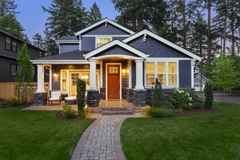
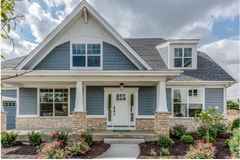

Exterior:
- Siding: Lap siding, shingles, board and batten
- Windows: Grilles (true or well simulated divided lights), casement or double-hung (not ideal in Alaska). Portrait or square, not wide horizontals. High end houses should consider higher grade windows, such as aluminum-clad, wood windows.
- Doors: Paneled or craftsman-style
- Garage Doors: Carriage-style, often with windows or trim details
Interior:
- Fireplace: Detailed mantels, traditional tile or brick, possibly rock
- Flooring: Wood (plank or parquet), classic stains, real wood is the most timeless choice.
- Tile: Subway, marble, patterned, usually small scale (no larger than 8” pieces)
- Lighting: Antique brass, glass shades, lantern-style pendants (this is one area your design will know how break the rules)
- Cabinetry: Inset or framed cabinets with panel detailing, painted or stained in classic tones (think white, cream, walnut, or color), full overlay would be a good alternative.
- Countertops: Honed or polished natural stone like marble or quartzite; warm quartz patterns with subtle veining
🏗 MODERN HOMES
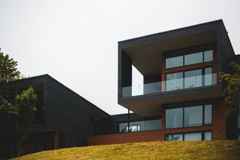
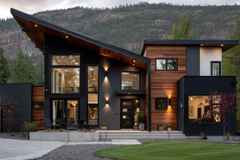
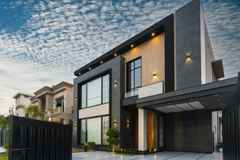
Exterior:
- Siding: Smooth panel, vertical, fiber cement, natural wood cladding
- Windows: Large, ungridded panes, variety of shapes.
- Doors: Clean lines, flush panels, pivot or metal-framed glass
- Garage Doors: Minimalist, frosted glass panels, flush face
Interior:
- Fireplace: Linear, frameless, or integrated into wall
- Flooring: Wide plank wood or concrete
- Tile: Large format, stacked, stone slabs
- Lighting: Sculptural, integrated LEDs, black or mixed metals
- Cabinetry: Slab-front, full-overlay cabinets with minimal hardware or finger pulls; natural wood tones or flat painted finishes like charcoal, soft gray, or earthy greens
- Countertops: Solid surface, quartz, or natural stone with clean edges and minimal patterning; integrated sinks or waterfall edges for a sleek finish
I wish it was as easy as that, but all of these selections (flooring, tile, lighting, cabinetry, etc) need to be coordinated not just in style, but in undertones.
If the undertones of your neutrals don’t work together, the whole room can feel off without you knowing why. It’s one of the most common mistakes I see, and it’s a big reason why a space might look technically “fine,” but never feel quite right.
Your architect or an interior designer (hint, that’s me) can really help with all of that.
Why You Shouldn’t Rely on Spec Homes for Inspiration
Another mistakes I see is homeowners modeling their design choices after builder homes in their neighborhood.
Here’s the thing: many spec homes are built using “builder basics,” dressed up in trends that are already on their way out. If you see something cool or unusual in a new construction model home, chances are that interior designers have already moved on OR it never belonged in/on that house in the first place. By the time you install those same finishes, they’ll already feel dated, and worse, they might not look right if they clash with the core style of your home.
And there is the Furnishings and Decor…
All of this talk about tile, flooring, and finishes? That’s just the backdrop. The construction choices are what help your house age well and feel cohesive, but they’re not the whole story, but let’s talk about that in another blog.
Want help figuring out what works for your home?
That’s what I’m here for. I can guide you, avoid missteps, narrow your options, and design a home that looks amazing now and in the years ahead.